

What is the starting method of a motor controlled by a specialized frequency converter?
As a specialized frequency converter supplier, I often encounter questions from customers about the starting methods of motors controlled by our products. Understanding these starting methods is crucial for optimizing motor performance, reducing energy consumption, and ensuring the longevity of both the motor and the frequency converter. In this blog, I will delve into the various starting methods employed by specialized frequency converters and their applications.
Direct-on-Line (DOL) Starting
The simplest and most straightforward starting method is the Direct-on-Line (DOL) starting. In this method, the motor is directly connected to the power supply through the frequency converter, and the full voltage is applied to the motor terminals at the start. This causes the motor to draw a high inrush current, typically 5 to 7 times the rated current, which can lead to mechanical stress on the motor and the connected equipment.
However, when using a specialized frequency converter, the DOL starting can be controlled more effectively. The frequency converter can gradually increase the voltage and frequency supplied to the motor, reducing the inrush current and minimizing the mechanical stress. This method is suitable for small to medium-sized motors with low inertia loads, such as fans and pumps.
Star-Delta Starting
The Star-Delta starting method is a widely used technique for reducing the starting current of three-phase motors. In this method, the motor is initially connected in a star configuration, which reduces the voltage applied to each phase of the motor to approximately 58% of the line voltage. This results in a lower starting current, typically 1/3 of the DOL starting current.

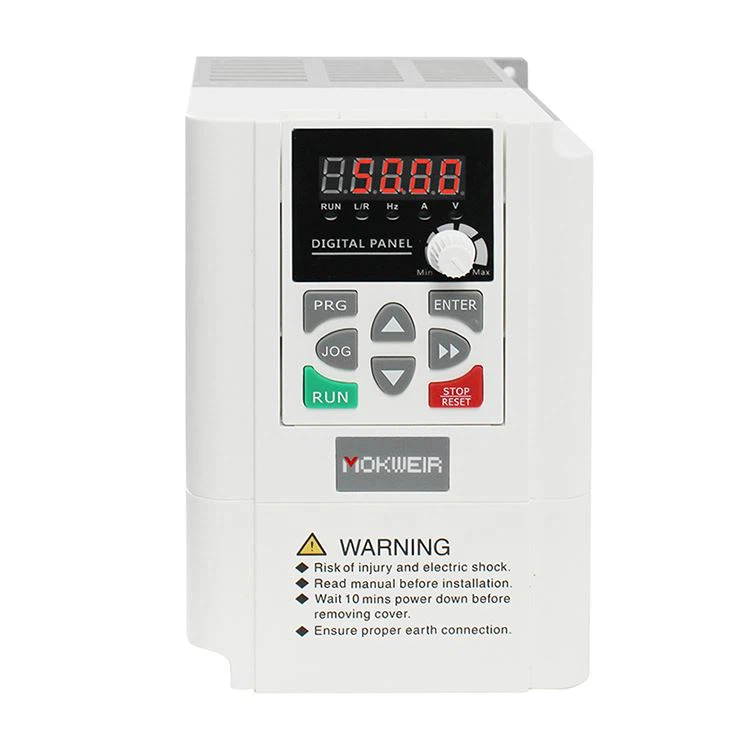
After a certain period, the motor is switched to a delta configuration, where the full line voltage is applied to each phase of the motor. This allows the motor to operate at its rated speed and power. When using a specialized frequency converter, the Star-Delta starting can be automated and controlled more precisely, ensuring a smooth transition from the star to the delta configuration.
This method is suitable for medium to large-sized motors with high inertia loads, such as compressors and conveyors. It reduces the starting current and mechanical stress on the motor and the connected equipment, extending their lifespan.
Soft Starting
Soft starting is a method that gradually increases the voltage and frequency supplied to the motor, allowing it to start smoothly and gradually reach its rated speed. This method reduces the inrush current and mechanical stress on the motor and the connected equipment, making it suitable for a wide range of applications.
A specialized frequency converter can be programmed to provide a soft start function, which can be adjusted to meet the specific requirements of the motor and the load. The soft start time can be set from a few seconds to several minutes, depending on the size and inertia of the motor.
Soft starting is particularly useful for applications where a smooth start is required, such as elevators, cranes, and machine tools. It also helps to reduce the wear and tear on the motor and the connected equipment, improving their reliability and efficiency.
Variable Frequency Starting
Variable frequency starting is the most advanced and flexible starting method available. In this method, the frequency converter varies the frequency and voltage supplied to the motor, allowing it to start and operate at any speed within its rated range. This method provides precise control over the motor's speed and torque, making it suitable for a wide range of applications.
A specialized frequency converter can be programmed to provide a variable frequency start function, which can be adjusted to meet the specific requirements of the motor and the load. The starting frequency can be set from a few Hertz to the rated frequency of the motor, and the acceleration time can be set from a few seconds to several minutes.
Variable frequency starting is particularly useful for applications where a high degree of control is required, such as industrial automation, robotics, and renewable energy systems. It also helps to reduce the energy consumption of the motor, improving its efficiency and reducing its operating costs.
Applications of Different Starting Methods
The choice of starting method depends on several factors, including the size and type of the motor, the load characteristics, and the application requirements. Here are some examples of applications where different starting methods are commonly used:
- Fans and Pumps: DOL starting or soft starting is commonly used for small to medium-sized fans and pumps. These applications typically have low inertia loads and do not require a high degree of control over the motor's speed.
- Compressors and Conveyors: Star-Delta starting or soft starting is commonly used for medium to large-sized compressors and conveyors. These applications typically have high inertia loads and require a smooth start to reduce the mechanical stress on the motor and the connected equipment.
- Elevators and Cranes: Soft starting or variable frequency starting is commonly used for elevators and cranes. These applications require a high degree of control over the motor's speed and torque to ensure a smooth and safe operation.
- Machine Tools: Variable frequency starting is commonly used for machine tools. These applications require a high degree of control over the motor's speed and torque to ensure precise machining and improve the quality of the finished product.
Our Specialized Frequency Converters
At our company, we offer a wide range of specialized frequency converters that are designed to meet the specific requirements of different applications. Our frequency converters are equipped with advanced control algorithms and features that allow for precise control over the motor's speed and torque, as well as efficient energy management.
Some of our popular products include the Single Phase Input 3 Phase Output VFD, which is suitable for applications where a single-phase power supply is available, and the High Protection Variable Frequency Drivers, which are designed to provide high levels of protection against overvoltage, overcurrent, and other electrical faults.
We also offer the VFD for Machine Tool Spindle, which is specifically designed for high-speed spindle applications and provides precise control over the spindle's speed and torque.
Conclusion
In conclusion, the starting method of a motor controlled by a specialized frequency converter plays a crucial role in optimizing motor performance, reducing energy consumption, and ensuring the longevity of both the motor and the frequency converter. By understanding the different starting methods available and their applications, you can choose the most suitable starting method for your specific requirements.
If you are interested in learning more about our specialized frequency converters or have any questions about the starting methods of motors controlled by our products, please feel free to contact us. Our team of experts will be happy to assist you and provide you with the information you need to make an informed decision.
References
- Electric Machinery Fundamentals, Stephen J. Chapman
- Power Electronics: Converters, Applications, and Design, Mohan, Undeland, and Robbins
- Variable Frequency Drives: Principles and Applications, William M. Leeb