

Hey there! As a supplier of Single Phase Output VFDs, I've seen firsthand how crucial the installation environment is for these devices. In this blog, I'll share the key requirements for setting up a Single Phase Output VFD to ensure optimal performance and a long lifespan.
Temperature and Humidity
Let's start with temperature. Single Phase Output VFDs are sensitive to extreme temperatures. Most of these drives work best in an environment where the temperature ranges from 0°C to 50°C (32°F to 122°F). If it gets too hot, the internal components can overheat, which might lead to malfunctions or even permanent damage. On the other hand, extremely cold temperatures can make the components brittle and affect their electrical properties.
Humidity is another important factor. The relative humidity should be kept between 10% and 90% (non - condensing). High humidity can cause corrosion of the circuit boards and other metal parts inside the VFD. Condensation is a big no - no as it can short - circuit the electrical connections. If you're installing the VFD in a place with high humidity, you might want to consider using a dehumidifier or a sealed enclosure.
Ventilation
Good ventilation is a must for Single Phase Output VFDs. These devices generate heat during operation, and if the heat isn't dissipated properly, it can build up and cause problems. Make sure there's enough space around the VFD for air to circulate. A general rule of thumb is to leave at least 100mm (about 4 inches) of clearance on all sides of the drive.
You can also use fans or ventilation systems to enhance air movement. Some VFDs come with built - in cooling fans, but in larger installations or in hot environments, additional external ventilation might be necessary. This helps to keep the internal temperature of the VFD within the acceptable range and ensures stable operation.
Electrical Supply
The electrical supply is a critical aspect of the installation environment. For a Single Phase Output VFD, the input voltage should be stable. Most single - phase VFDs are designed to work with a standard 220V single - phase supply. However, voltage fluctuations are common in many electrical systems. A voltage variation of more than ±10% can cause issues with the VFD's operation.
It's also important to have a clean electrical supply. Electrical noise, such as spikes and surges, can interfere with the VFD's control circuits. You can use line reactors or filters to protect the VFD from these electrical disturbances. These devices help to smooth out the electrical supply and reduce the risk of damage to the VFD.
Mounting and Location
When it comes to mounting the Single Phase Output VFD, there are a few things to keep in mind. First, it should be mounted on a flat and stable surface. A vibrating surface can cause mechanical stress on the VFD and its components, which can lead to premature failure.
The location of the installation is also important. Avoid installing the VFD in areas where it might be exposed to dust, dirt, or chemicals. These contaminants can accumulate on the circuit boards and other components and cause electrical problems. If the installation area is prone to dust or chemicals, consider using an enclosed cabinet to protect the VFD.
Protection from Physical Damage
Single Phase Output VFDs need to be protected from physical damage. They should be installed in a location where they won't be bumped or knocked around. If the VFD is in a high - traffic area, you might want to use a protective barrier or enclosure.
Also, be careful when handling the VFD during installation. Avoid dropping or jostling it, as this can damage sensitive internal components. Always follow the manufacturer's instructions for handling and installation to minimize the risk of physical damage.
Compatibility with Other Equipment
If you're using the Single Phase Output VFD in a larger electrical system, it's important to ensure compatibility with other equipment. The VFD should be able to communicate and work in harmony with motors, sensors, and other control devices.
Check the electrical ratings of all the connected equipment to make sure they are within the VFD's specifications. Incorrectly matched equipment can lead to inefficiencies, malfunctions, and even damage to the VFD and other components.
Grounding
Proper grounding is essential for the safety and performance of the Single Phase Output VFD. A good ground connection helps to protect against electrical shocks and reduces the risk of electrical interference. Make sure to follow the grounding requirements specified by the manufacturer.
Typically, the VFD should be connected to a reliable earth ground. Use a proper grounding conductor with the appropriate gauge to ensure a low - resistance connection. This helps to divert any electrical faults safely to the ground.
In conclusion, setting up a Single Phase Output VFD requires careful consideration of the installation environment. Meeting these requirements will not only ensure the proper functioning of the VFD but also extend its lifespan and reduce the risk of breakdowns.
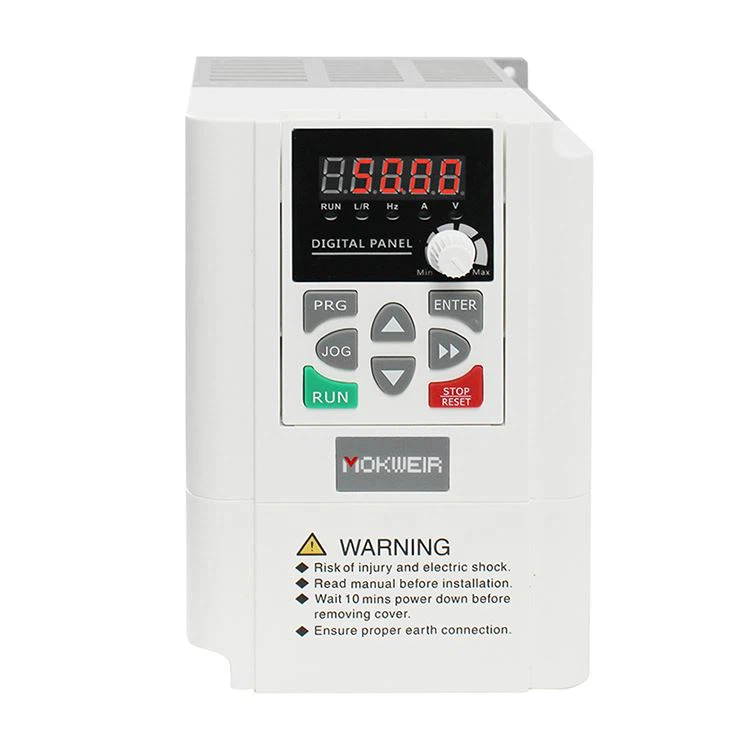

If you're in the market for a reliable Single Phase Output VFD, we've got you covered. We also offer 220v To 380v VFD and Single Phase Input 3 Phase Output VFD if you have different needs. If you're interested in learning more or making a purchase, don't hesitate to reach out for a discussion.
References
- Electrical Engineering Handbook for Variable Frequency Drives
- Manufacturer's Installation and Operation Manuals for Single Phase Output VFDs