

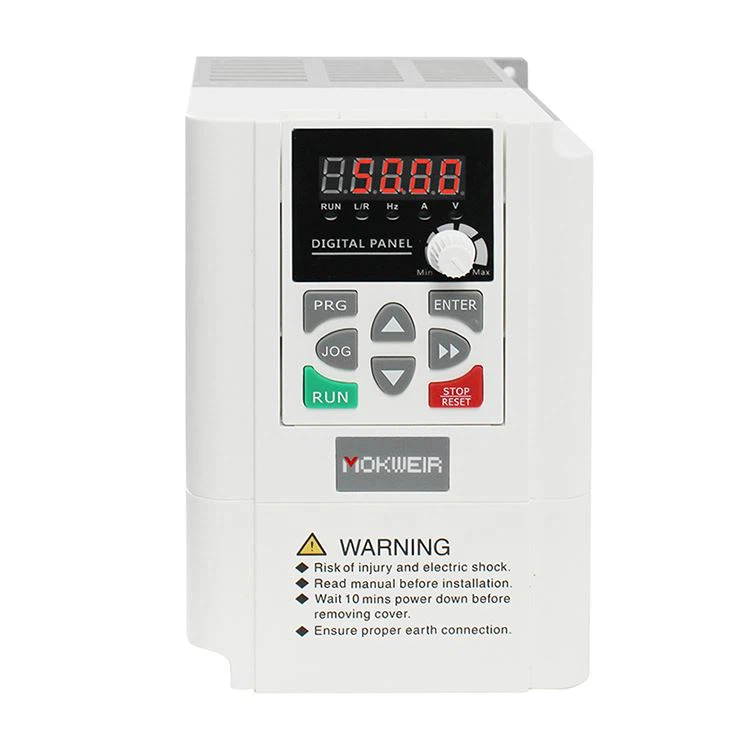
In the dynamic landscape of industrial automation and motor control, Variable Frequency Drives (VFDs) play a pivotal role in optimizing energy consumption, enhancing motor performance, and ensuring precise control over electrical motors. When it comes to single-phase output VFDs, the choice between digital and analog models is a critical decision that can significantly impact the efficiency and functionality of your system. As a trusted supplier of Single Phase Output VFD, I am here to shed light on the numerous advantages of using a digital single-phase output VFD over an analog one.
Precision and Accuracy
One of the most significant advantages of digital single-phase output VFDs is their superior precision and accuracy. Digital VFDs utilize advanced microprocessors and algorithms to control the frequency and voltage of the output, allowing for precise adjustment of motor speed and torque. This level of precision is particularly important in applications where exact speed control is required, such as in conveyor systems, pumps, and fans.
In contrast, analog VFDs rely on analog circuits and components to control the output, which can be subject to drift and inaccuracies over time. This can lead to variations in motor speed and performance, which can affect the quality and efficiency of the process. Digital VFDs, on the other hand, offer consistent and reliable performance, ensuring that your motor operates at the desired speed and torque with minimal deviation.
Flexibility and Programmability
Another key advantage of digital single-phase output VFDs is their flexibility and programmability. Digital VFDs can be easily programmed to meet the specific requirements of your application, allowing you to customize the operating parameters of the drive to suit your needs. This includes setting the motor speed, acceleration and deceleration times, torque limits, and other control parameters.
Digital VFDs also offer a wide range of communication options, allowing you to integrate the drive into your existing control system. This includes interfaces such as Modbus, Profibus, and Ethernet, which enable seamless communication between the VFD and other devices, such as PLCs, HMIs, and sensors. This level of integration allows for greater control and monitoring of the system, improving efficiency and productivity.
In contrast, analog VFDs are typically less flexible and programmable, with limited control options and communication capabilities. This can make it difficult to customize the drive to meet the specific requirements of your application, and can limit the integration of the drive into your existing control system.
Energy Efficiency
Digital single-phase output VFDs are also more energy-efficient than analog VFDs. Digital VFDs utilize advanced control algorithms to optimize the operation of the motor, reducing energy consumption and improving efficiency. This includes features such as automatic energy saving mode, which adjusts the motor speed and torque based on the load requirements, and regenerative braking, which recovers energy from the motor during deceleration and feeds it back into the power supply.
In contrast, analog VFDs are typically less energy-efficient, as they do not have the same level of control and optimization capabilities. This can lead to higher energy consumption and operating costs, which can have a significant impact on your bottom line.
Diagnostic and Monitoring Capabilities
Digital single-phase output VFDs offer advanced diagnostic and monitoring capabilities, allowing you to monitor the performance of the drive and the motor in real-time. This includes features such as fault detection, alarm reporting, and performance monitoring, which enable you to identify and address potential issues before they cause downtime or damage to the system.
Digital VFDs also offer remote monitoring and control capabilities, allowing you to access the drive and the motor from anywhere in the world. This includes features such as remote programming, diagnostic reporting, and performance monitoring, which enable you to manage the system more effectively and efficiently.
In contrast, analog VFDs typically have limited diagnostic and monitoring capabilities, making it difficult to identify and address potential issues before they cause problems. This can lead to increased downtime and maintenance costs, which can have a significant impact on your productivity and profitability.
Reliability and Durability
Digital single-phase output VFDs are also more reliable and durable than analog VFDs. Digital VFDs utilize advanced components and technology, which are designed to withstand harsh industrial environments and provide long-term reliability. This includes features such as overvoltage protection, overcurrent protection, and temperature protection, which help to prevent damage to the drive and the motor.
Digital VFDs also offer a longer lifespan than analog VFDs, as they are less prone to wear and tear and require less maintenance. This can result in lower operating costs and a higher return on investment over the life of the drive.
In contrast, analog VFDs are typically less reliable and durable, as they are more prone to component failure and require more frequent maintenance. This can lead to increased downtime and maintenance costs, which can have a significant impact on your productivity and profitability.
Cost-Effectiveness
While digital single-phase output VFDs may have a higher upfront cost than analog VFDs, they offer a higher return on investment over the life of the drive. Digital VFDs are more energy-efficient, reliable, and durable than analog VFDs, which can result in lower operating costs and a higher return on investment over the life of the drive.
In addition, digital VFDs offer a wide range of features and capabilities that can improve the efficiency and productivity of your system, such as precision control, flexibility, and programmability. These features can help you to optimize the performance of your motor and reduce energy consumption, which can result in significant cost savings over time.

Conclusion
In conclusion, digital single-phase output VFDs offer numerous advantages over analog VFDs, including precision and accuracy, flexibility and programmability, energy efficiency, diagnostic and monitoring capabilities, reliability and durability, and cost-effectiveness. As a trusted supplier of Single Phase Output VFD, I highly recommend that you consider upgrading to a digital VFD to optimize the performance of your motor and improve the efficiency and productivity of your system.
If you are interested in learning more about our Single Phase Output VFD or our other 220v To 380v VFD products, please do not hesitate to contact us. Our team of experts is available to answer any questions you may have and to help you select the right VFD for your application. We look forward to working with you to improve the performance and efficiency of your system.