

Conveyor systems are the unsung heroes of many industries, facilitating the smooth and efficient movement of goods and materials. They are used in a wide range of sectors, from manufacturing and logistics to food processing and mining. The performance and efficiency of a conveyor system largely depend on the quality and suitability of the motor control equipment used. One such crucial component is the Variable Frequency Drive (VFD). In this blog, we'll explore the possibility of using a Single Phase Output VFD in a conveyor system. As a supplier of Single Phase Output VFD, I'll draw on my industry knowledge and experience to provide a comprehensive analysis.
Understanding Conveyor Systems and Their Requirements
Conveyor systems come in various types, including belt conveyors, roller conveyors, and chain conveyors. Each type has its own unique characteristics and requirements. However, there are some common factors that all conveyor systems need to address, such as speed control, torque regulation, and energy efficiency.
Speed control is essential for conveyor systems as it allows operators to adjust the conveyor speed according to the production requirements. For example, in a manufacturing plant, the conveyor speed may need to be adjusted based on the assembly line speed. Torque regulation is also important, especially when the conveyor is starting or stopping, as it helps to prevent the motor from stalling and ensures smooth operation. Energy efficiency is another key consideration, as conveyor systems often run continuously, consuming a significant amount of electricity.
What is a Single Phase Output VFD?
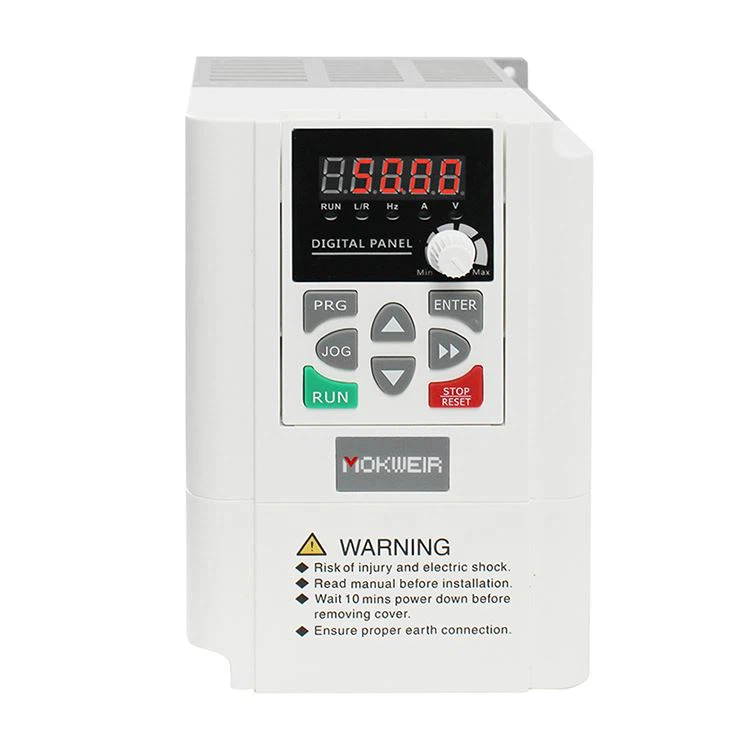
A Single Phase Output VFD is a type of motor control device that converts single-phase AC power into variable-frequency, single-phase AC power. It allows the user to control the speed and torque of a single-phase motor by adjusting the frequency and voltage of the output power. This type of VFD is commonly used in applications where single-phase power is readily available, such as small workshops and residential settings.
Compared to three-phase VFDs, single-phase output VFDs are generally more compact and cost-effective. They are also easier to install and maintain, making them a popular choice for small-scale applications. However, they have some limitations, such as lower power ratings and reduced performance compared to three-phase VFDs.
Feasibility of Using a Single Phase Output VFD in a Conveyor System
The feasibility of using a Single Phase Output VFD in a conveyor system depends on several factors, including the size and type of the conveyor, the power requirements of the motor, and the specific application requirements.
Small-Scale Conveyor Systems
For small-scale conveyor systems, such as those used in small workshops or home-based businesses, a Single Phase Output VFD can be a viable option. These conveyors typically have lower power requirements and do not require high levels of performance. A single-phase output VFD can provide the necessary speed control and torque regulation, allowing the conveyor to operate efficiently.
Low-Power Conveyor Motors
If the conveyor motor has a relatively low power rating (e.g., less than 1 horsepower), a Single Phase Output VFD can be used to control its speed and torque. Single-phase motors are commonly used in small conveyor systems, and a single-phase output VFD can be easily integrated with these motors to provide variable speed operation.
Specific Application Requirements
In some applications, the conveyor system may not require high levels of performance or precision. For example, in a simple material handling application where the conveyor only needs to move items at a constant speed, a Single Phase Output VFD can meet the requirements. However, in applications where precise speed control or high torque is required, such as in a high-speed assembly line, a three-phase VFD may be a better choice.
Advantages of Using a Single Phase Output VFD in a Conveyor System
There are several advantages to using a Single Phase Output VFD in a conveyor system:
Cost-Effectiveness
Single-phase output VFDs are generally more affordable than three-phase VFDs, making them a cost-effective solution for small-scale conveyor systems. This can be particularly beneficial for businesses with limited budgets.

Easy Installation
Single-phase power is more widely available than three-phase power, especially in residential and small commercial settings. This means that a Single Phase Output VFD can be easily installed without the need for expensive electrical upgrades.
Energy Efficiency
By controlling the speed of the conveyor motor, a Single Phase Output VFD can help to reduce energy consumption. This is because the motor only uses the amount of power required to operate the conveyor at the desired speed, rather than running at a fixed speed all the time.
Limitations of Using a Single Phase Output VFD in a Conveyor System
Despite the advantages, there are also some limitations to using a Single Phase Output VFD in a conveyor system:
Lower Power Ratings
Single-phase output VFDs typically have lower power ratings compared to three-phase VFDs. This means that they may not be suitable for large conveyor systems or high-power motors.
Reduced Performance
In general, single-phase output VFDs provide less precise speed control and lower torque compared to three-phase VFDs. This can be a limitation in applications where high performance is required.
Limited Compatibility
Some conveyor motors may not be compatible with single-phase output VFDs. It is important to check the motor specifications and consult with the VFD manufacturer to ensure compatibility.
Alternatives to a Single Phase Output VFD
If a Single Phase Output VFD is not suitable for your conveyor system, there are several alternatives available:
Single Phase Input 3 Phase Output VFD
This type of VFD allows you to use single-phase power to drive a three-phase motor. It provides the benefits of three-phase power, such as higher power ratings and better performance, while still being able to use single-phase input power.
220v To 380v VFD
A 220v To 380v VFD can convert 220V single-phase power into 380V three-phase power, which can be used to drive a three-phase motor. This type of VFD is suitable for applications where three-phase power is required but only single-phase power is available.
Conclusion
In conclusion, a Single Phase Output VFD can be used in a conveyor system, especially in small-scale applications with lower power requirements. It offers cost-effectiveness, easy installation, and energy efficiency. However, it also has some limitations, such as lower power ratings and reduced performance. Before deciding to use a Single Phase Output VFD in your conveyor system, it is important to carefully consider the specific requirements of your application and consult with a professional.
As a supplier of Single Phase Output VFD, we have a wide range of products to meet your needs. If you are interested in learning more about our products or discussing your specific requirements, please feel free to get in touch with us for a procurement discussion. We look forward to working with you to find the best solution for your conveyor system.
References
- "Variable Frequency Drives Handbook" by Ben Holmes
- "Conveyor Systems: Design, Analysis, and Applications" by John J. McKee